
Automotive — Precision Testing for Greater Safety
Probe technology continues to evolve with the automotive industry's “new four modernizations” — from low-speed signal testing in the traditional fuel-vehicle era, to high-voltage/high-current testing in today's new-energy vehicles, to high-frequency millimeter-wave testing in intelligent connected vehicles. This places ever-higher demands on probe temperature adaptability, reliability, accuracy and frequency coverage. For probe manufacturers, the high barriers of automotive-grade certification and the vast headroom for domestic substitution make this both a technical challenge and a strategic opportunity.
Automotive-Grade Chip Testing
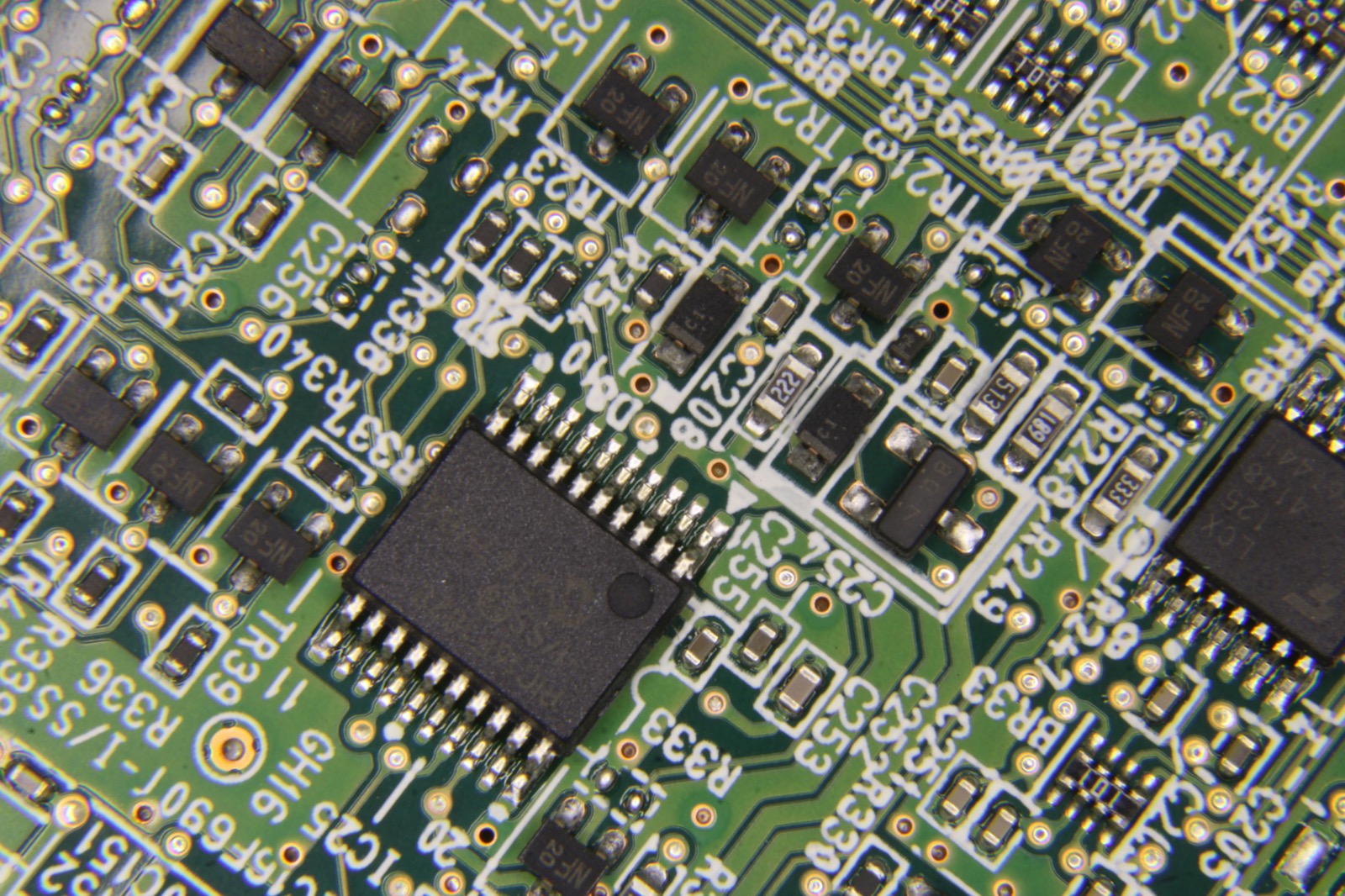
Before chips are packaged, probe cards contact the pads or bumps on wafers to electrically test each bare die, identifying and removing defective dies early to reduce downstream packaging costs.
After packaging, probes in test sockets perform final functional and performance verification to ensure automotive-grade chips remain stable and reliable under harsh conditions.
Related Products
Vehicle Sensors & Radar Testing
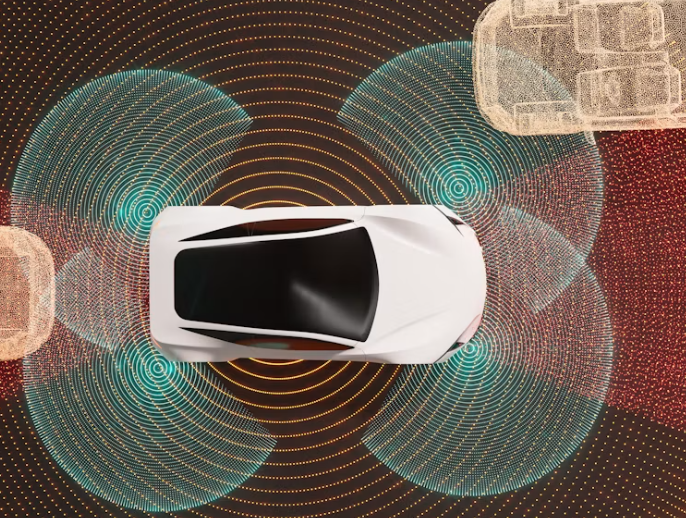
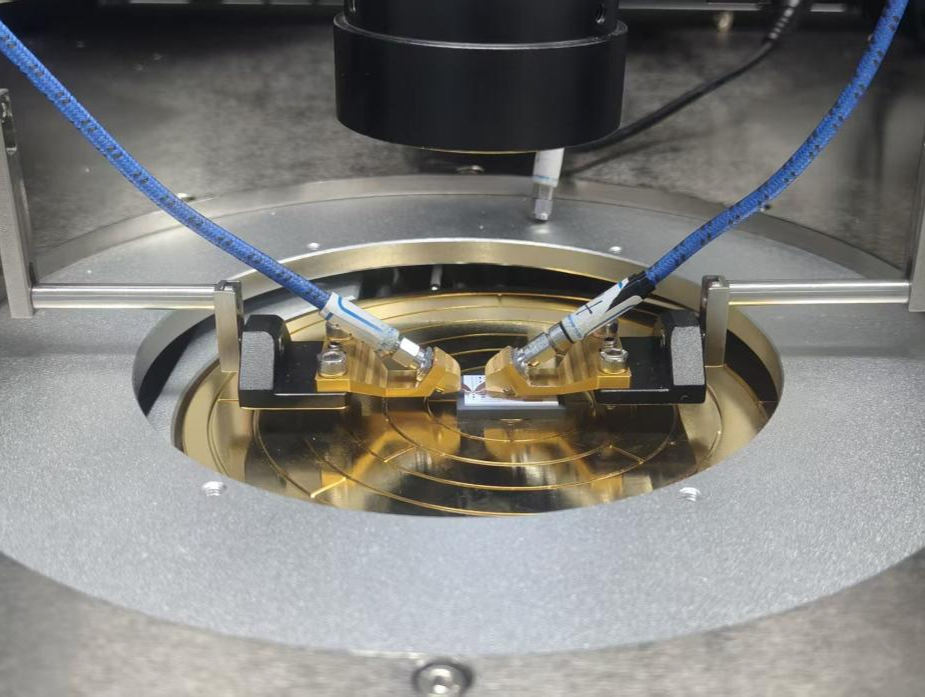
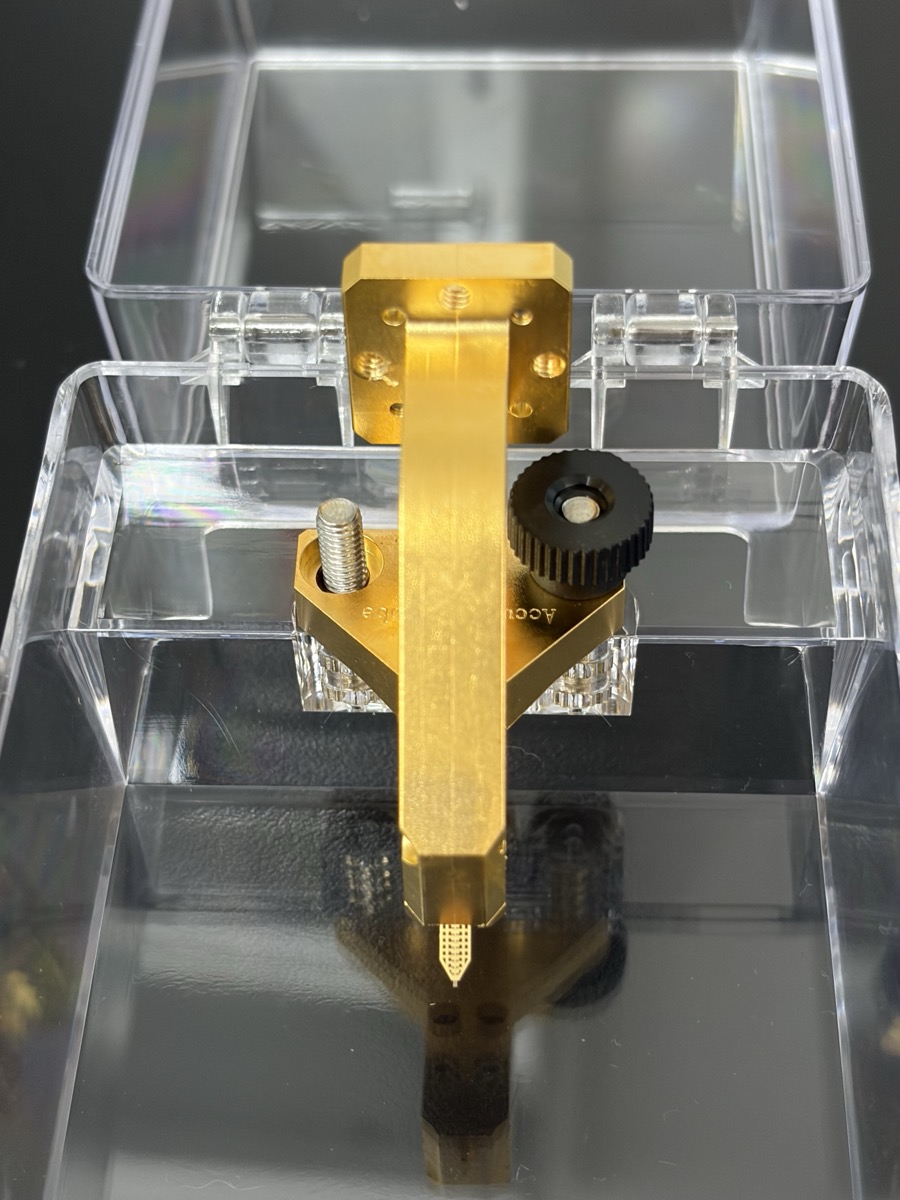
The transceiver chips, radar antenna arrays and millimeter-wave passive components of automotive mmWave radars (24GHz, 60GHz, 77GHz) require W-band on-wafer characterization.
In collision warning systems, a 77GHz transmitter emits signals captured by multiple receivers integrated around the vehicle. Advances in probe card technology have made multi-site, volume-level testing possible, supporting large-scale production testing of automotive radar chips from 40GHz to 81GHz.
Advanced Driver Assistance Systems (ADAS) rely on a large number of sensors and radars whose performance directly affects driving safety. Probes play a critical role in vehicle sensor and radar testing.