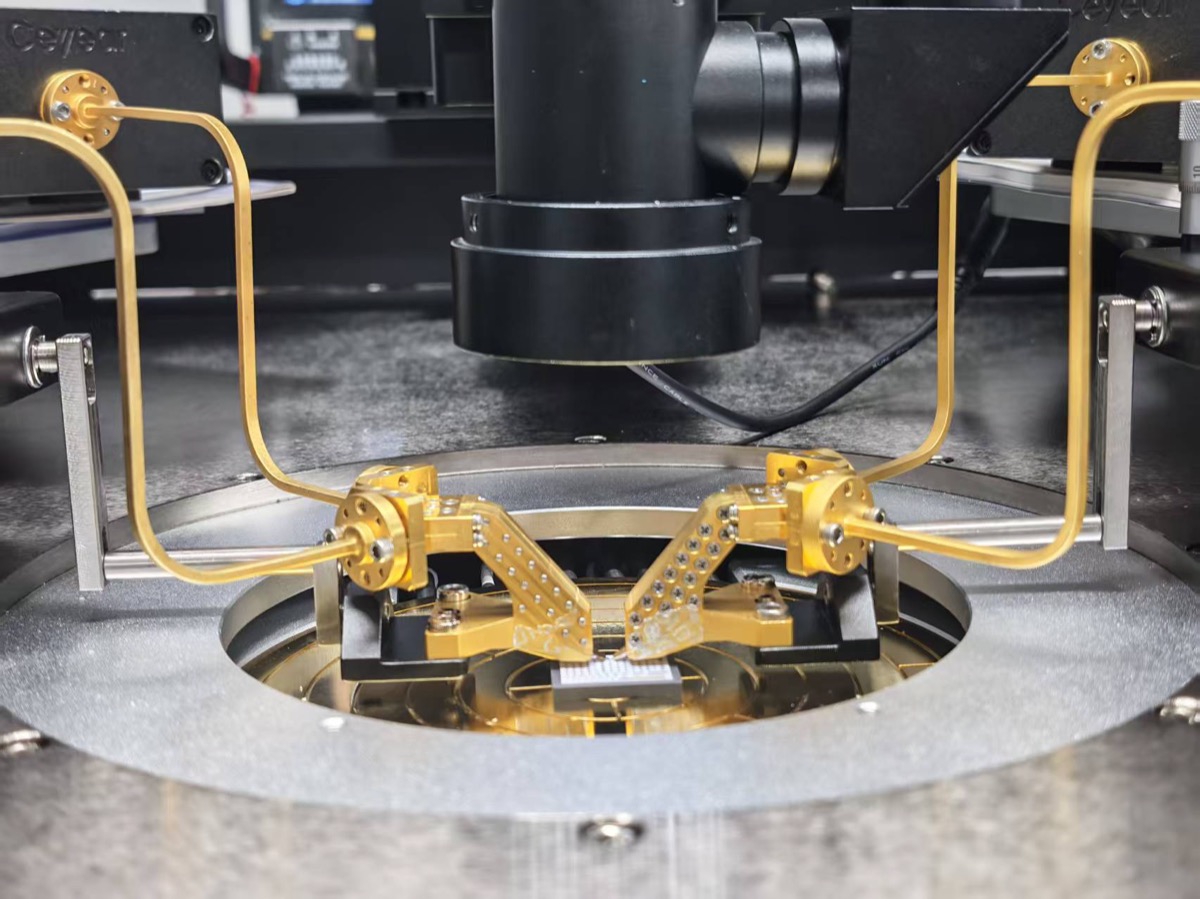
High-Frequency Technology — Connecting Everything Faster
Probe technology continues to evolve as communication frequencies rise — from 5G Sub-6GHz to millimeter-wave, and on to 6G sub-THz and terahertz bands. This places ever-higher demands on probe frequency coverage, loss control, machining precision and test repeatability. For probe manufacturers, this is both a technical challenge and a significant market opportunity.
5G & 6G Testing
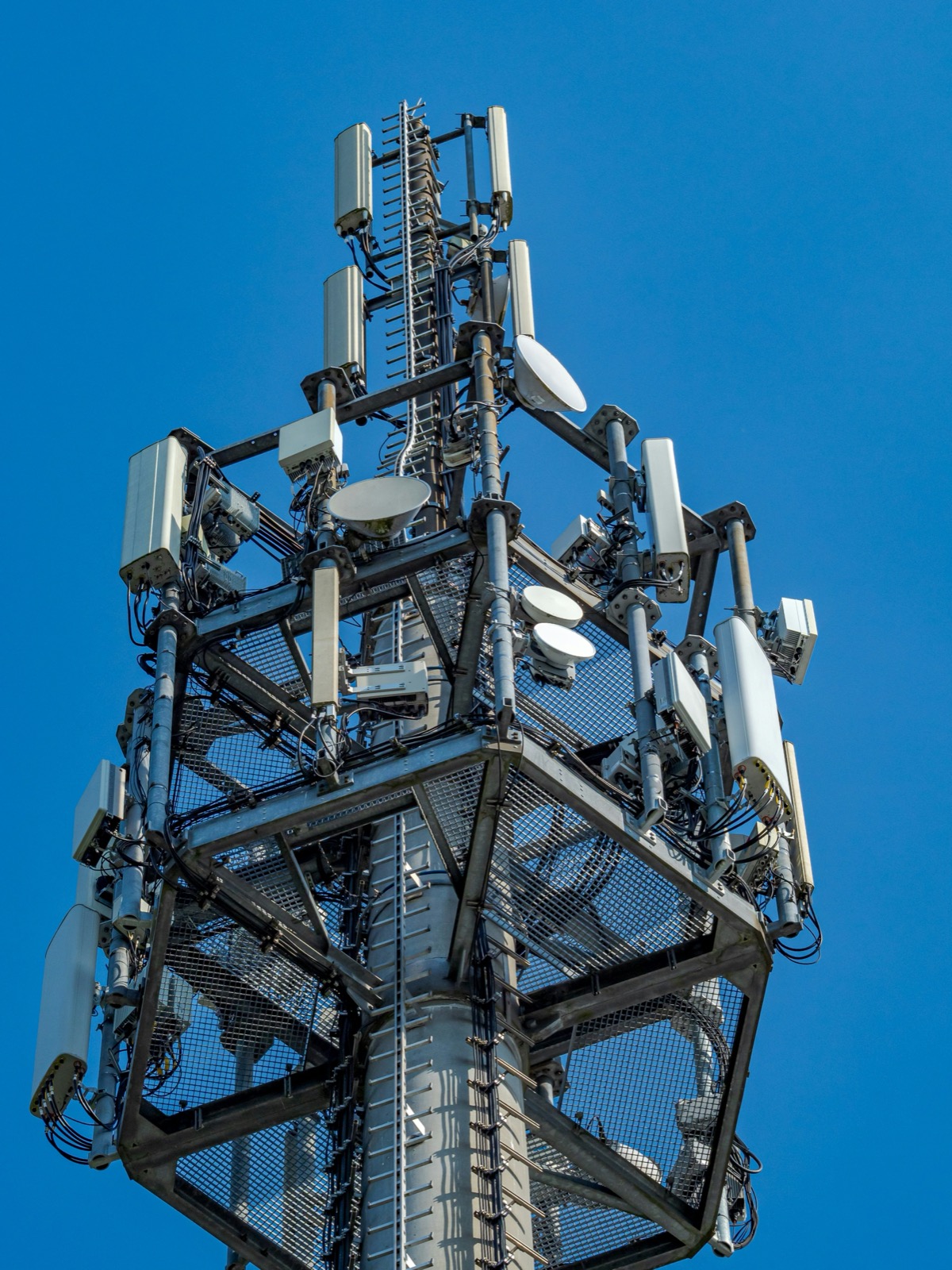
5G-Advanced (5G-A) is currently in its golden age of commercial deployment and serves as the key transitional phase linking 5G and 6G. On the 6G front, standardization has officially begun. Key technology directions shaping 6G include the growing application of AI on the device side, as well as the integration of space-air-ground integration and computing power.
Probe station RF testing is a core pillar of 5G/6G chip R&D and volume production. By integrating precision mechanics, high-frequency signal chains and intelligent calibration, it overcomes challenges such as skin effect, impedance mismatch and parasitic interference at high frequencies, capturing key RF characteristics including S-parameters, power and phase. Probes can directly test RF bare dies, improving test accuracy and efficiency while enabling developers to detect issues early in the design cycle and shorten time-to-market.
Related Products
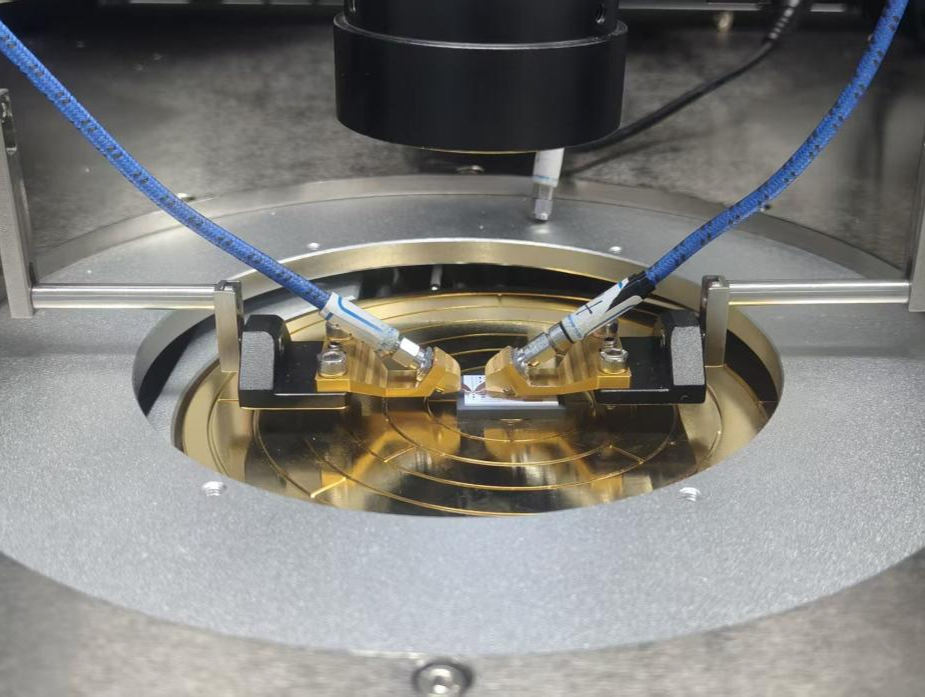
RF / Millimeter-Wave
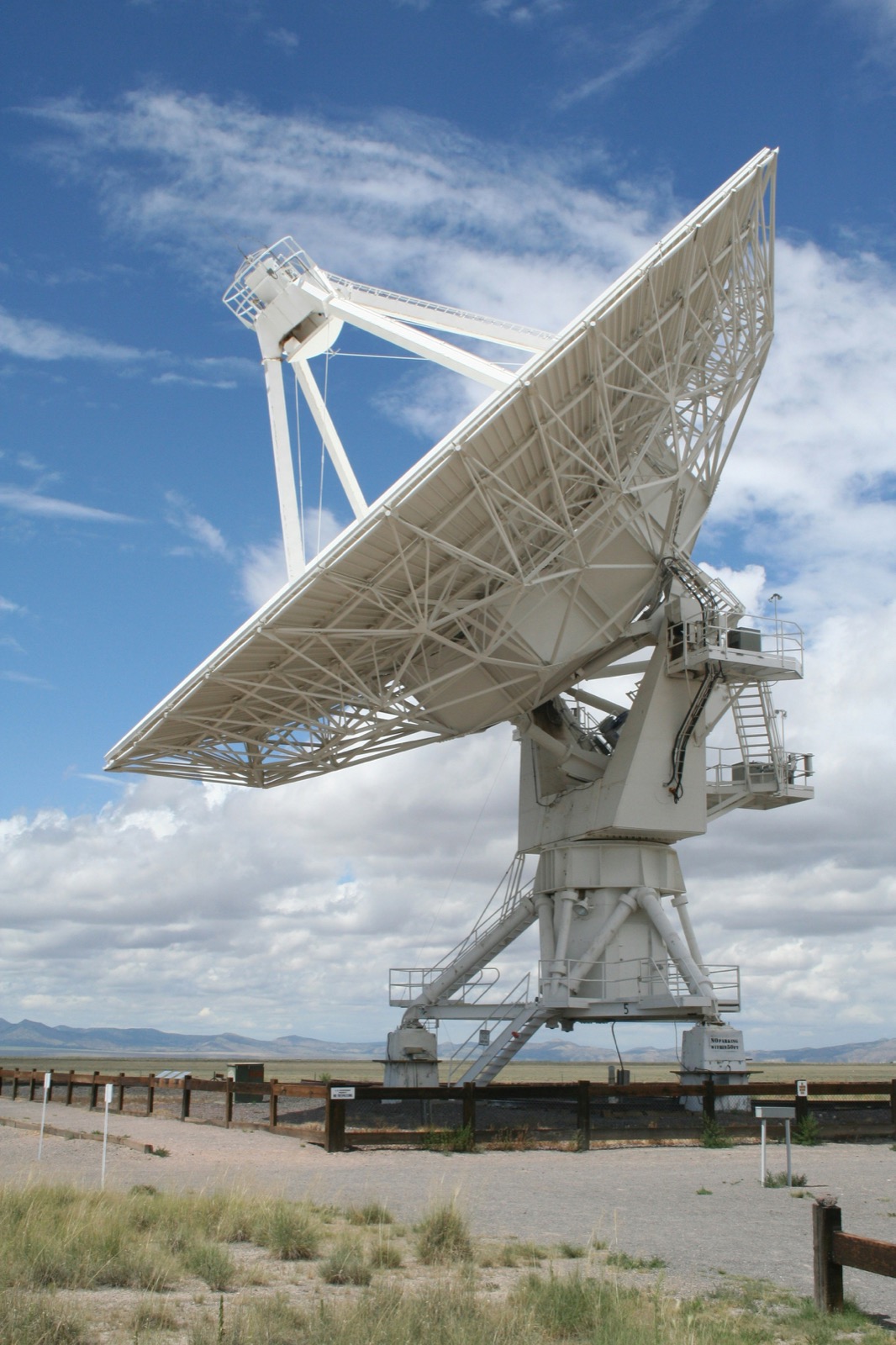
Millimeter-wave is a core component of the 5G NR FR2 band. 3GPP defines 5G mmWave channels that can deliver up to 400MHz of channel bandwidth, enabling multi-gigabit-per-second data rates. Millimeter-wave technology is also being applied in low-earth-orbit satellite communications and Integrated Sensing and Communication (JCAS).
Large antenna arrays have become the core of modern wireless communication and sensing systems, especially in the millimeter-wave and terahertz bands, where hundreds or even thousands of radiating elements deliver high beamforming gain and spatial multiplexing. RF GSG probes are the standard tool for millimeter-wave chip testing, used for high-frequency electrical characterization of RF ICs, MMICs (Monolithic Microwave Integrated Circuits) and millimeter-wave radars.
Related Products
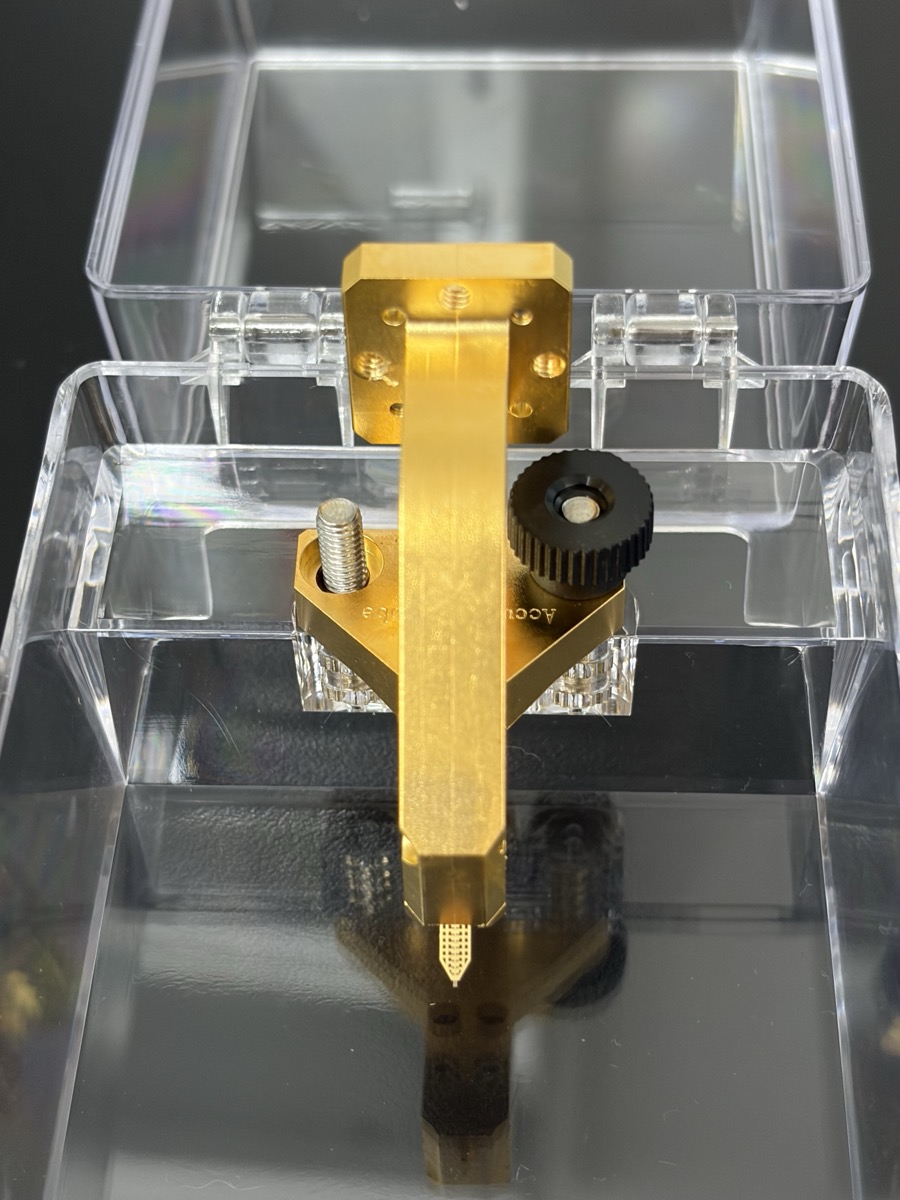
Terahertz
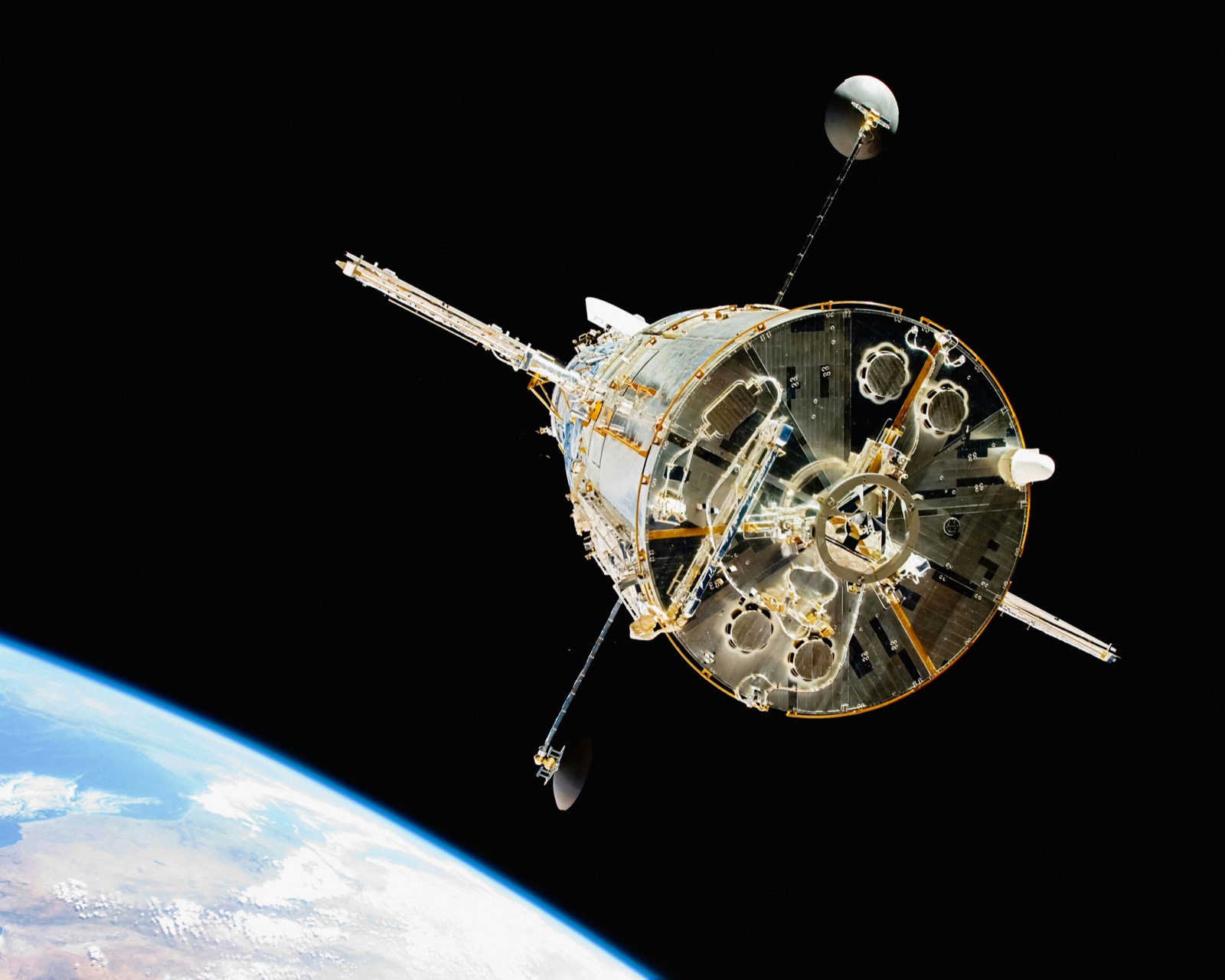
Terahertz waves range from 0.1THz to 10THz, between microwaves and infrared, combining ultra-wide bandwidth with low photon energy. Terahertz offers strong penetration, low-energy radiation and high resolution.
Leading academicians and experts point out that China's terahertz technology has achieved multiple key breakthroughs and will become an accelerator for future industries such as 6G communications, the low-altitude economy and high-end manufacturing. With transmission speeds over 100 times faster than 5G, terahertz can support holographic communications, real-time 8K/16K ultra-HD interaction and high-speed satellite-ground interconnection in 6G and space-air-ground integration scenarios.
In the terahertz band, as chips continue to shrink, electrical probe testing has become mainstream. Probes avoid errors introduced by coaxial packaging and enable automated on-wafer measurement of chips.